







Why Does a Tooth Hurt Only When You Bite Down?
A tooth that hurts only when you bite down can happen for several reasons. The cause could involve a small crack, tooth decay, a filling or crown that is taking too much pressure, inflammation around the tooth, or a bite-related issue. The pain pattern gives useful clues, but it does not confirm a diagnosis on its own. A dentist in Brantford can examine the tooth, review your symptoms, and help identify what is causing the pressure pain.
A tooth that hurts when you bite should be checked if the pain keeps returning, gets worse, or feels sharp in one specific spot. The cause may be minor, but it may also involve a crack, decay, a restoration, inflammation, or bite pressure.
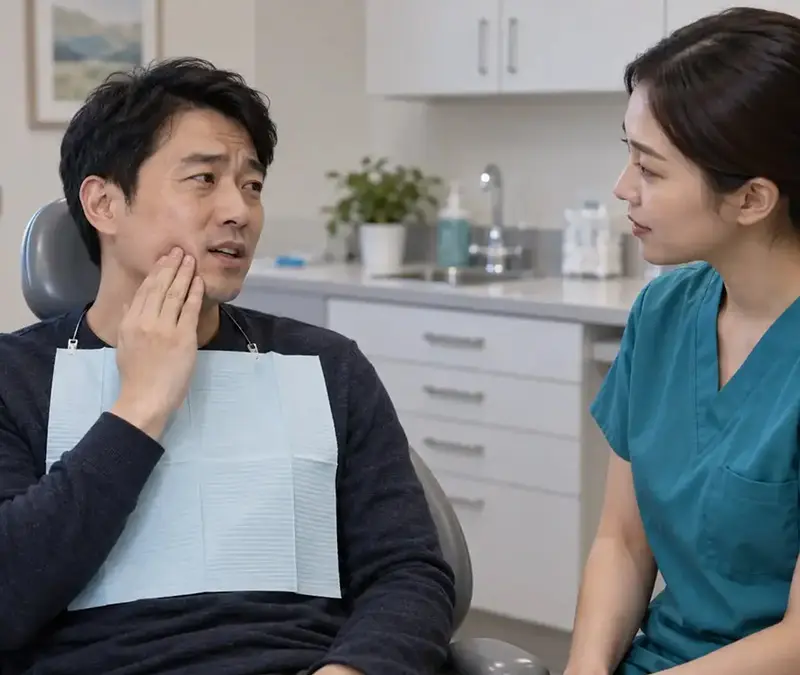
Why Can a Tooth Hurt Only Under Biting Pressure?
Biting puts force through the tooth and the tissues around it. If one part of the tooth is irritated, weakened, inflamed, or hitting too heavily, that pressure may trigger pain even when the tooth feels mostly normal at rest.
Some people notice the pain only with certain foods. Others feel it when chewing on one side, biting into something firm, or releasing their bite after chewing. The sensation may be sharp, dull, brief, lingering, or hard to describe. Those details matter because they help the dentist understand what to check first.
The Canadian Dental Association a toothache is something that can be related to irritation of the tooth nerve, tooth infection, decay, injury, or tooth loss. Those are broad categories, not a diagnosis for your situation. Bite-related pain needs an exam because several different issues can feel similar from the patient’s side.
Could a Crack, Cavity or Dental Restoration Be Involved?
A crack, cavity, filling, or crown could be involved when one tooth hurts mainly under chewing pressure. These are possibilities, not assumptions, and the only way to narrow them down is through a dental assessment.
A cracked tooth does not always cause constant pain. Some cracks are difficult to see, especially if they are small or located between teeth. A person may feel a sharp twinge when biting or when releasing pressure after biting. The tooth may also react to temperature changes, but that does not happen in every case.
Tooth decay can also cause discomfort with chewing if the damaged area irritates the tooth or allows pressure to reach a sensitive spot. A cavity may not look obvious in the mirror. It may also sit under or near an existing filling, between teeth, or in an area that is hard to clean.
Existing dental work can be another factor. A filling, crown, or other restoration may feel high if the bite is not balanced evenly, or the tooth underneath may have changed over time. Sometimes the restoration itself is not the problem, but it helps the dentist identify where pressure is being concentrated.
Avoid testing the sore tooth repeatedly by biting hard foods or objects. Recreating the pain again and again can irritate the area and may make a small problem more uncomfortable.
Can a Bite Problem or Inflammation Cause Pain?
Bite pressure and inflammation can make one tooth sore even when there is no obvious break or visible cavity. A tooth can become tender if it is absorbing more force than the surrounding teeth or if the tissues around the root are irritated.
Clenching and grinding can add extra pressure to teeth, fillings, crowns, and jaw muscles. Some people know they grind their teeth, while others only notice signs such as morning jaw soreness, worn teeth, headaches, or tooth sensitivity. A dentist may look for patterns that suggest pressure is contributing to the pain.
Inflammation around a tooth may also make biting uncomfortable. The tooth is held in place by supporting tissues, and those tissues can become sensitive when irritated. The discomfort may feel like the tooth is bruised or tender when chewing. That still needs an exam because the source of inflammation can vary.
Bite-related pain can overlap with jaw alignment or bite-adjustment concerns, but this article is focused on the symptom itself: one tooth hurting mainly when you bite down. The next step is not to guess the cause. It is to document when the pain happens and have the area checked.
When Should Bite-Related Tooth Pain Be Checked?
Persistent, recurring, or worsening pain when biting should be checked by a dentist. A brief one-time twinge may settle, but pain that keeps coming back is worth assessing before it becomes harder to manage.
Book a dental assessment if:
- the same tooth hurts every time you chew
- pain is sharp when biting or releasing your bite
- discomfort is getting more frequent
- the tooth feels high, bruised, or tender
- chewing on one side has become difficult
- the pain started after a filling, crown, injury, or hard bite
- the tooth is sensitive to cold, heat, or sweets along with pressure
Some symptoms are more time-sensitive. The Ontario Dental Association recommends calling a dentist immediately for constant or severe pain. Prompt care is also important if pain appears with swelling, fever, facial swelling, bleeding that does not settle, a broken tooth, or a knocked-out tooth.
Severe, constant pain, swelling, fever, facial swelling, bleeding that does not settle, or a dental injury should be treated as more time-sensitive than mild, occasional bite sensitivity.
If symptoms feel urgent, Conklin Family Dental’s dental emergency services page may help you understand the type of concerns that should be addressed promptly. For severe facial swelling, trouble breathing or swallowing, uncontrolled bleeding, or serious facial trauma, seek emergency medical care.
What Might a Dentist Check During an Exam?
A dental exam for bite-related tooth pain usually starts with your symptoms and the tooth’s history. The dentist may ask when the pain started, what triggers it, how long it lasts, and whether anything has changed recently.
The assessment may include checking:
- the tooth that hurts and the nearby teeth
- gums and supporting tissues around the tooth
- existing fillings, crowns, or other restorations
- how the upper and lower teeth meet when you bite
- signs of clenching, grinding, or uneven pressure
- sensitivity to temperature or pressure
- dental X-rays or other tests when appropriate
An exam does not mean a specific treatment will be required. It simply gives the dentist more information. Treatment recommendations, if any, depend on what is found, your dental history, your comfort, and the condition of the tooth.
Conklin Family Dental provides dental services in Brantford, including general and restorative dental care. If bite pain is connected to a routine dental issue, a restoration, or another concern, the recommended next step will depend on the individual assessment.
What You Can Do Until Your Appointment
While waiting for an assessment, avoid chewing hard foods on the sore tooth if doing so triggers pain. Choose softer foods, chew on the other side when needed, and do not use the tooth to test whether the pain is still there.
You can also make a quick note of:
- when the pain happens
- which foods or movements trigger it
- whether pain happens on biting down or releasing the bite
- any temperature sensitivity
- recent dental work or injuries
- whether the tooth feels high or different
Those details can make the appointment more useful. They help the dentist understand the pattern instead of relying on a vague memory of symptoms.
Frequently Asked Questions About Tooth Pain When Biting
Can a cracked tooth hurt only when I bite?
Can a cavity hurt only when chewing?
Why might a filled or crowned tooth hurt when I bite?
Can clenching or grinding cause bite pain?
Is bite pain always a dental emergency?
Talk to Conklin Family Dental About Tooth Pain When Biting
A tooth that hurts when you bite down can be frustrating because it may feel normal until pressure is applied. That does not mean you have to figure out the cause on your own. A dental assessment can help identify whether the discomfort is related to the tooth, an existing restoration, inflammation, or bite pressure.
If bite pain is persistent, recurring, or getting worse, contact Conklin Family Dental to ask about arranging an assessment. You can also call 519-805-8181. The appropriate next step will depend on what the dentist finds during your individual exam.